Full StackE-commerce
Robogear BD
Online Robotics Shop
robogear-bd.app
Step 01: 1. Overview
A branded online robotics storefront focused on showcasing products with a modern shopping experience and strong product discovery.
A specialist robotics storefront built around visual discovery and a clear shopping identity.
Area Details Project E-commerce storefront Contribution Frontend implementation, interface composition, and interaction design Status Frontend portfolio project Robogear BD is a branded online robotics storefront. The project focuses on presenting a specialist catalog through a modern shopping interface that gives product discovery a clear visual hierarchy.
It complements the Robogear Admin project by showing the customer-facing side of the commerce experience: the store introduces the merchandise, while administration has a different set of operational responsibilities.
Step 02: Features
- Fully responsive storefront across devices
- Clear product browsing and category exploration
- Authentication-ready user experience
- Add to cart and shopping flow presentation
- Order management oriented architecture
- Strong branding and product-first layout
Step 03: 2. The problem
A specialist shop needs to help people recognize products and understand where to look next. Strong imagery helps, but the catalog must remain navigable rather than becoming a wall of unrelated cards.
The challenge was to give the storefront a recognizable identity while keeping products and shopping-oriented actions easy to scan.
Step 04: 3. Users and responsibilities
User Responsibility Primary user Understand the available information and complete the page’s main task Site owner Present a coherent product or professional identity Step 05: 4. Product workflow
- Recognize the store.
- Browse products.
- Review the product presentation.
- Continue shopping.
The flow above describes the product journey. The following sections explain the implementation and the boundaries of this case study.
Step 06: 5. Core capabilities
Capability How it appears in the product Store identity Branded layout and visual presentation Catalog Product-focused browsing sections Discovery A hierarchy centered on finding merchandise Reusable presentation Consistent product and layout patterns Step 07: 6. Implementation and architecture
The portfolio implementation uses React with Tailwind styling and core JavaScript web technologies. The useful frontend abstraction is the repeatable product presentation: imagery, naming, supporting information, and actions should follow a consistent pattern.
The storefront and administrative interface are separate product surfaces. A customer-facing component should make a product understandable; a management screen should make the underlying record editable. Keeping those goals distinct is central to the project’s interface design.
Technology stack
Layer Technology Interface React Styling Tailwind CSS Web foundations HTML, CSS, and JavaScript Step 08: 7. Engineering and product decisions
Decision Reason Specialist visual identity Make the robotics store recognizable Product-led hierarchy Keep merchandise ahead of decorative content Reusable catalog patterns Maintain consistency as more items are displayed Step 09: 8. Trade-offs and current scope
This is an interface-focused portfolio project. Its value is in layout, information hierarchy, reusable components, and interaction design. Production integrations, database guarantees, security controls, and business results should only be added to the case study when they are established by the implementation.
A useful next validation pass would check narrow screens, keyboard navigation, long or missing content, and the feedback around interactive controls. These are proposed checks rather than a claim that a new automated test suite was run during this content revision.
Step 10: 9. What I learned
A commerce interface has to balance branding with comparison. The visual system is strongest when it helps customers understand products instead of competing with them.
Step 11: Project links
Keep exploring
View all projects Related projects
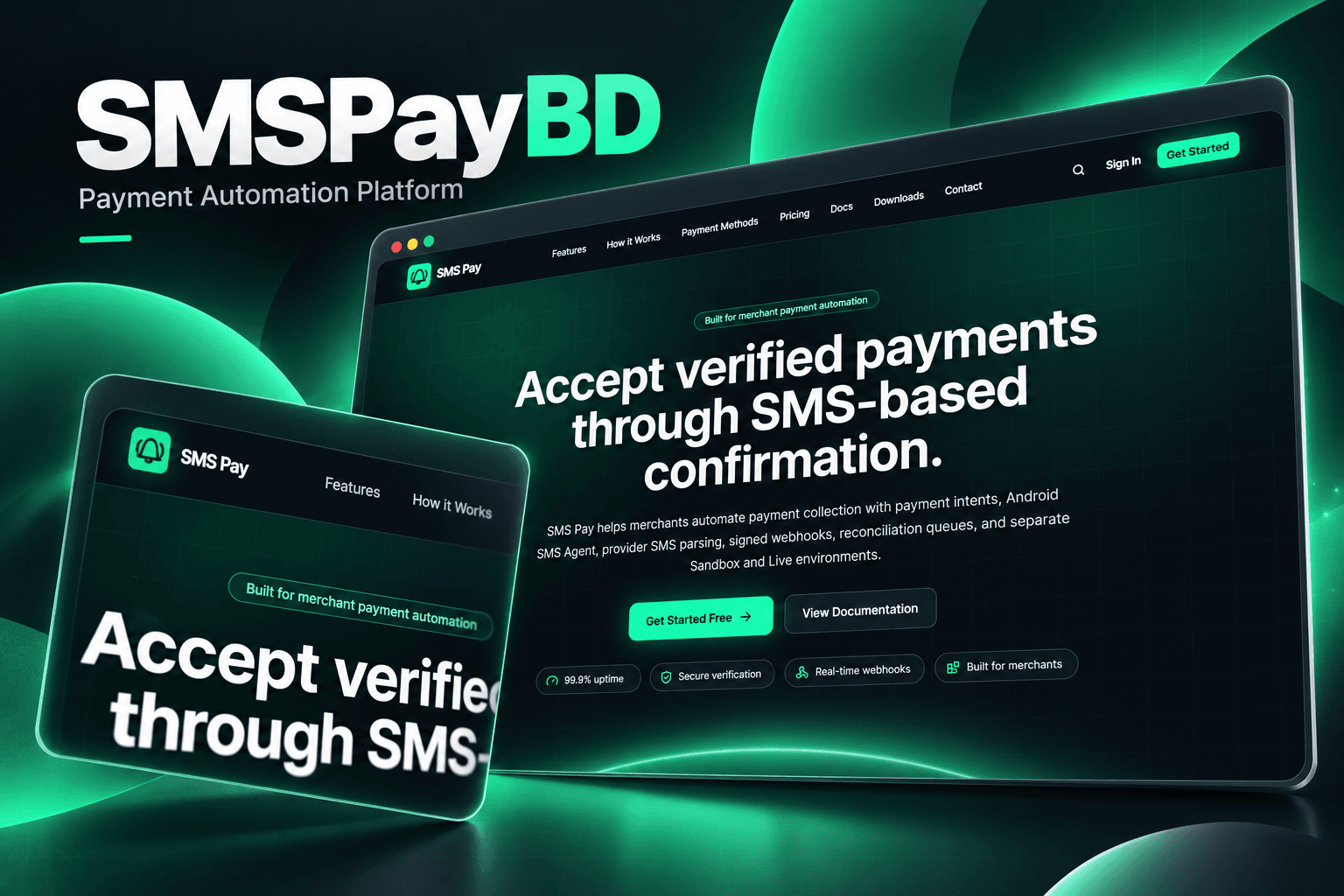
Full Stack · Fintech
SMSPayBD
Multi-tenant SMS Payment Reconciliation Platform
Next.js · NestJS · TypeScript · PostgreSQL
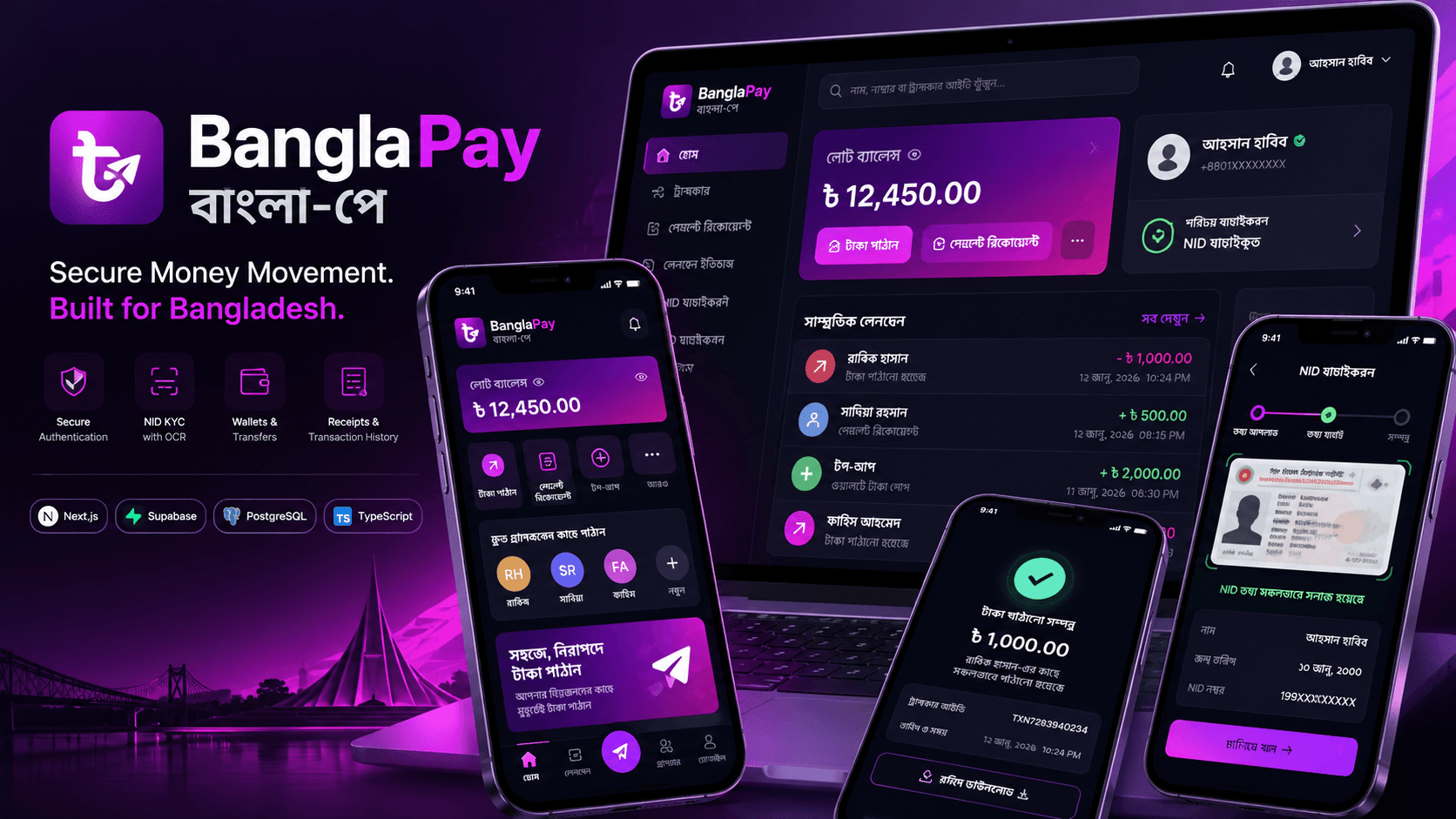
Full Stack · Fintech
BanglaPay
A secure MFS simulation built with an auditable double-entry ledger
Next.js 16 · React 19 · TypeScript · Tailwind CSS v4

Full Stack · Dashboard
WeTrainEducation & Tech
A unified enterprise solutions platform for business growth
Next.js · TypeScript · Tailwind CSS · shadcn/ui
 Newsletter
Stay in the Loop
Occasional emails about new projects, blog posts, and what I'm building - no spam.