Step 01: 1. Overview
A finance-focused web application presenting an AI-assistant workflow for historical market data, with account entry points, plan comparisons, and a clear product onboarding experience.
Making a historical market-data product understandable through a conversational SaaS experience.
Area Details Project Finance-focused SaaS interface Contribution Product interface and onboarding presentation Status Live public experience inspected; backend behavior not exercised Stonk Hub presents a conversational approach to historical market data. The public experience introduces an AI-powered assistant as the entry point, then explains the service through a pricing comparison, credit allowances, data coverage, and a detailed FAQ.
The application is associated with the chatbot-project repository. Its frontend uses React, TypeScript, Vite, Tailwind CSS, and shadcn/ui.
Step 02: Features
- AI-assistant product presentation
- Login and signup entry points
- Plan and credit comparisons
- Market-data access FAQ
- Responsive SaaS interface
Step 03: 2. The problem
Market-data products expose unfamiliar distinctions: asset classes, historical depth, intraday access, exchanges, and usage credits. If those details are hidden behind the chat interface, a user cannot make an informed decision about whether the product fits their task.
The design challenge was to make the conversational idea approachable while keeping the underlying product boundaries visible.
Step 04: 3. Users and responsibilities
User Responsibility Visitor Understand the assistant and available data access Potential subscriber Compare plans, credit limits, and coverage Account user Enter the signed-in product experience Step 05: 4. Product workflow
- Review assistant.
- Compare data access.
- Choose account entry.
- Request market data.
The flow above describes the product journey. The following sections explain the implementation and the boundaries of this case study.
Step 06: 5. Core capabilities
Capability How it appears in the product Assistant proposition A no-code conversational entry point for historical-data requests Account entry Login and signup calls to action Plan comparison Different credit allowances and data-coverage tiers FAQ Timeframes, credit usage, exchanges, and historical-data questions Product preview An assistant-interface image that introduces the workflow Step 07: 6. Implementation and architecture
The public product surface brings onboarding and commercial explanation together in a React interface. The repository also contains Supabase resources, while the public deployment maps to the finance-focused Stonk Hub identity.
A useful product boundary is the distinction between explaining the assistant and executing a data request. Pricing and FAQ content set expectations before the user reaches the application. The frontend stack supports a consistent set of components for these views.
The screenshot review did not exercise the model backend or purchase a plan, so it does not establish which provider serves the data or how reliably the assistant fulfills every request.
Technology stack
Layer Technology Build tool Vite UI React and shadcn/ui Language TypeScript Styling Tailwind CSS Backend resources Supabase-related application resources in the repository Step 08: 7. Engineering and product decisions
Decision Reason Explain access before signup Expose plan limits and coverage alongside the assistant proposition Credit comparison Make usage allowances visible as part of the product decision FAQ as product documentation Answer domain questions before the user reaches a blocked workflow Reusable UI primitives Keep account and commercial screens visually consistent Step 09: 8. Trade-offs and current scope
A conversational interface can hide complexity, but it cannot remove the need to define available data and usage limits. Those constraints should stay understandable in the product.
The public website and repository stack were inspected. Live market-data fulfillment, AI response quality, subscription billing, and authenticated-user permissions were not transactionally verified in this portfolio review.
Step 10: 9. What I learned
AI product design benefits from clear expectations. The assistant is the interaction model, while plan boundaries, coverage, and account behavior are part of the product contract the interface must explain.
Step 11: Project links
Keep exploring
View all projects Related projects
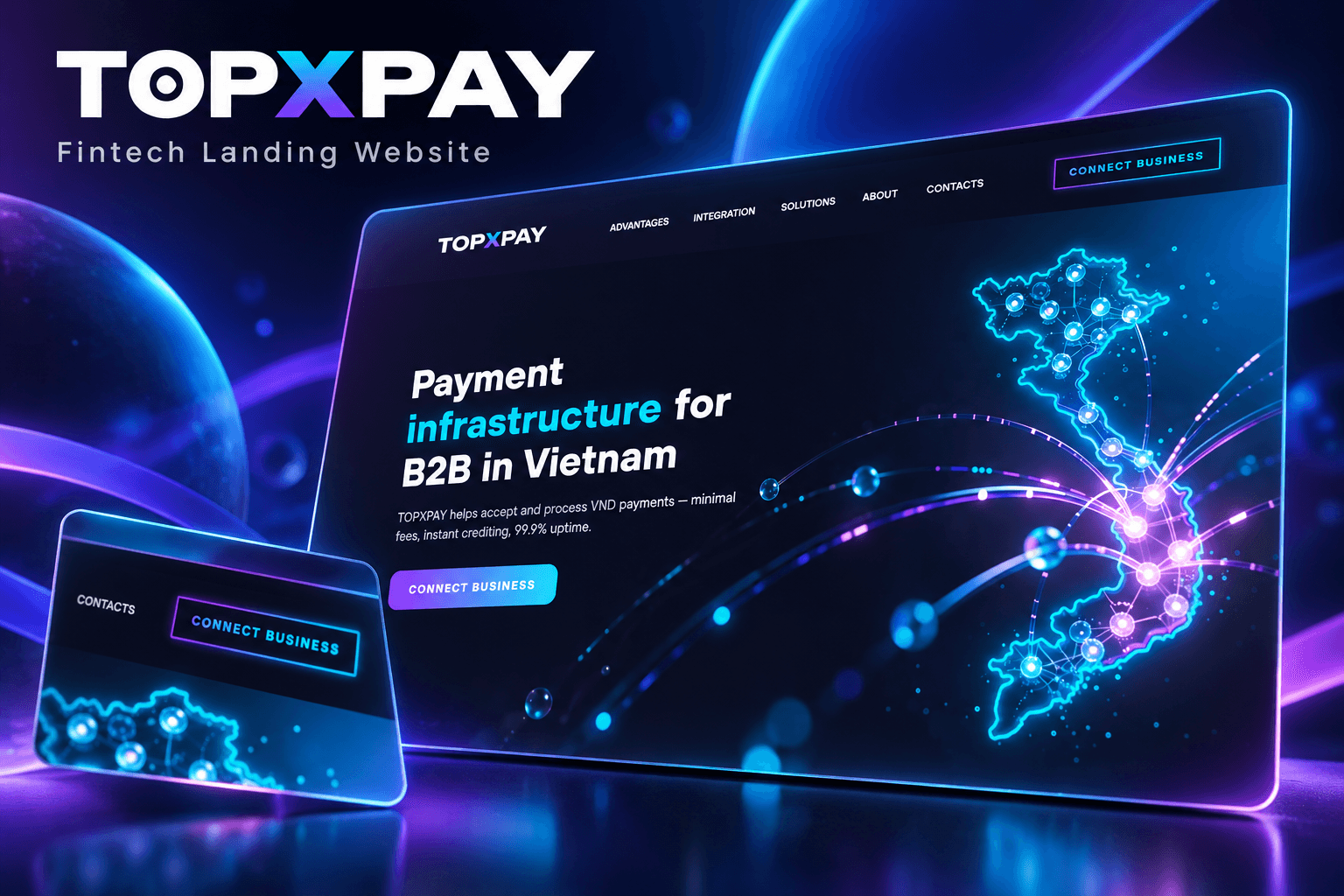
Business Platform · Fintech
TopXPay
Fintech Marketing Website with Lead Capture
Next.js · React · TypeScript · Framer Motion
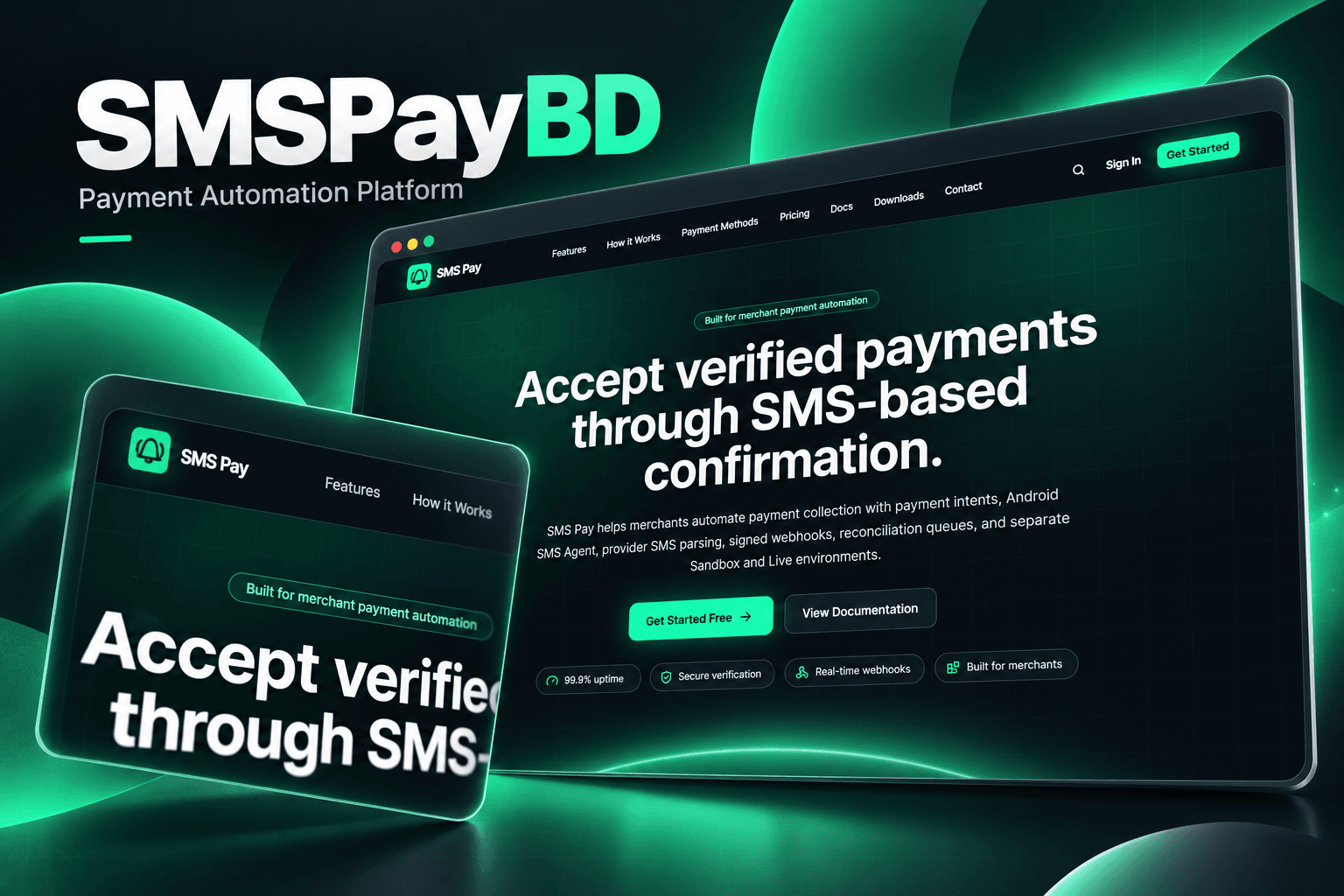
Full Stack · Fintech
SMSPayBD
Multi-tenant SMS Payment Reconciliation Platform
Next.js · NestJS · TypeScript · PostgreSQL
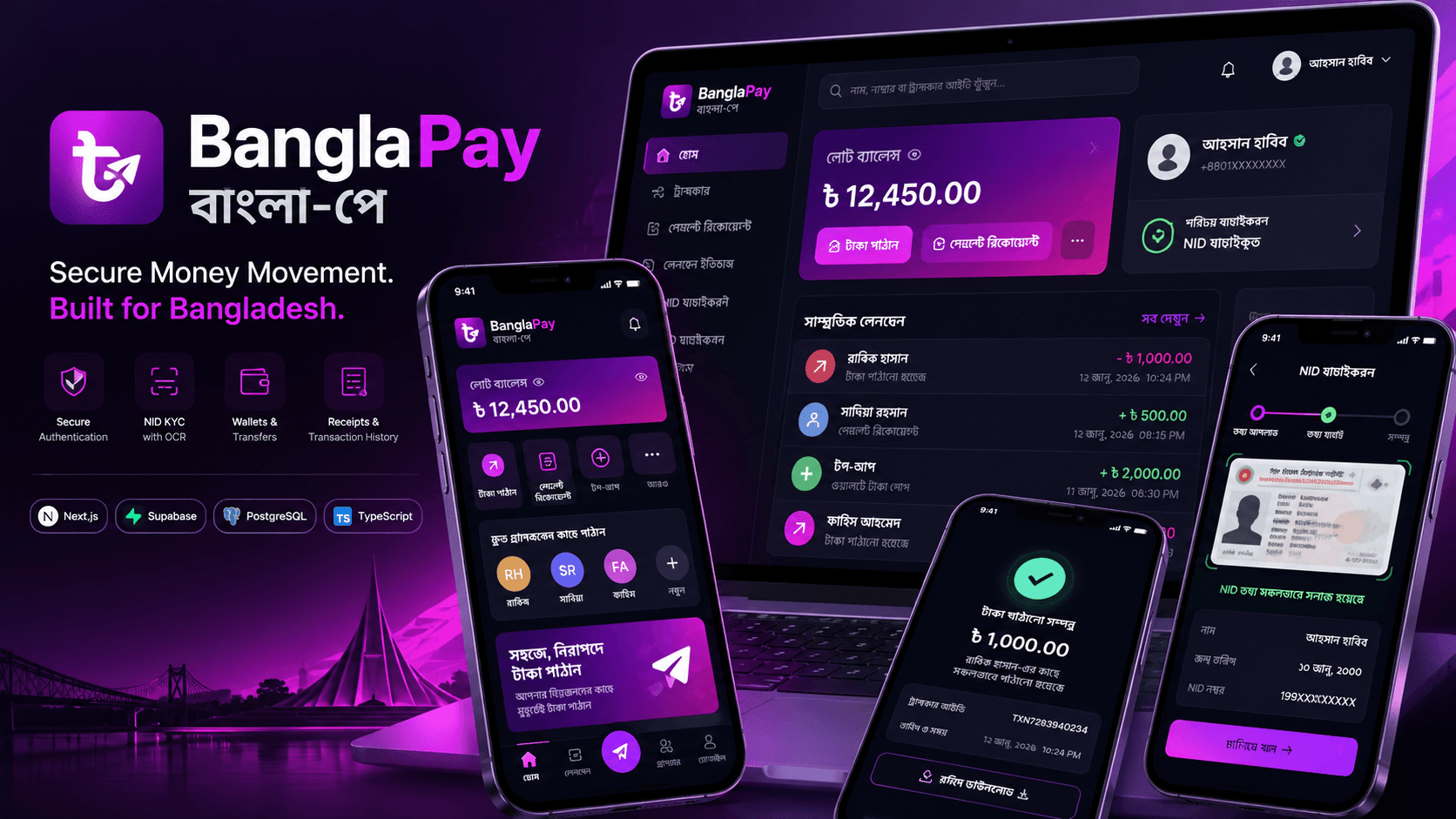
Full Stack · Fintech
BanglaPay
A secure MFS simulation built with an auditable double-entry ledger
Next.js 16 · React 19 · TypeScript · Tailwind CSS v4
 Newsletter
Stay in the Loop
Occasional emails about new projects, blog posts, and what I'm building - no spam.