Travel Point Agency
Travel Agency Website
travel-point-agency.app
Step 01: 1. Overview
A travel agency interface designed around destination discovery, service storytelling, and immersive landing page sections.
A destination-led travel website that combines visual storytelling with a clear service proposition.
Area Details Project Travel-agency frontend concept Contribution Frontend implementation, interface composition, and interaction design Status Frontend portfolio project Travel Point Agency is a responsive travel website concept. Its presentation uses destination imagery and service-oriented sections to introduce an agency and make the experience of exploring travel options feel engaging.
I treated the landing page as a narrative: first establish interest, then explain the offering, then make it clear how the visitor can continue.
Step 02: Features
- Destination-focused visual storytelling
- Responsive promotional section layout
- Clear package and offer presentation
- Smooth section-based landing flow
- Visual hierarchy for agency trust building
- Mobile-friendly booking journey foundations
Step 03: 2. The problem
Travel imagery can be compelling without explaining a service. An agency website needs to do both: create interest in destinations and help a potential customer understand the business behind them.
The challenge was to balance immersive visuals with practical content and a coherent page structure.
Step 04: 3. Users and responsibilities
User Responsibility Primary user Understand the available information and complete the page’s main task Site owner Present a coherent product or professional identity Step 05: 4. Product workflow
- Discover destinations.
- Understand agency services.
- Review the presentation.
- Continue toward inquiry.
The flow above describes the product journey. The following sections explain the implementation and the boundaries of this case study.
Step 06: 5. Core capabilities
Capability How it appears in the product Destination discovery Travel-oriented visual sections Agency presentation Service storytelling and business identity Page composition A sequence of landing-page content blocks Reusable interface Consistent frontend patterns across the page Step 07: 6. Implementation and architecture
The project uses React, JavaScript, and Tailwind CSS. Section-based components help separate the hero, destination presentation, and service messaging without losing a consistent visual language.
The portfolio scope is a travel-agency frontend. It does not establish live itinerary inventory, flight search, hotel booking, payment processing, or reservation management. Those would require separate integrations and data behavior.
Technology stack
Layer Technology Interface React Styling Tailwind CSS Language JavaScript Web foundations HTML and CSS Step 08: 7. Engineering and product decisions
Decision Reason Destination-led visuals Create a recognizable travel context Service narrative Explain the agency alongside the imagery Reusable sections Allow the page to evolve without rebuilding the entire composition Step 09: 8. Trade-offs and current scope
This is an interface-focused portfolio project. Its value is in layout, information hierarchy, reusable components, and interaction design. Production integrations, database guarantees, security controls, and business results should only be added to the case study when they are established by the implementation.
A useful next validation pass would check narrow screens, keyboard navigation, long or missing content, and the feedback around interactive controls. These are proposed checks rather than a claim that a new automated test suite was run during this content revision.
Step 10: 9. What I learned
A landing page should tell visitors where they are and why the offering matters before asking them to take action. Visual storytelling works best when the next step remains clear.
Step 11: Project links
Keep exploring
View all projects Related projects
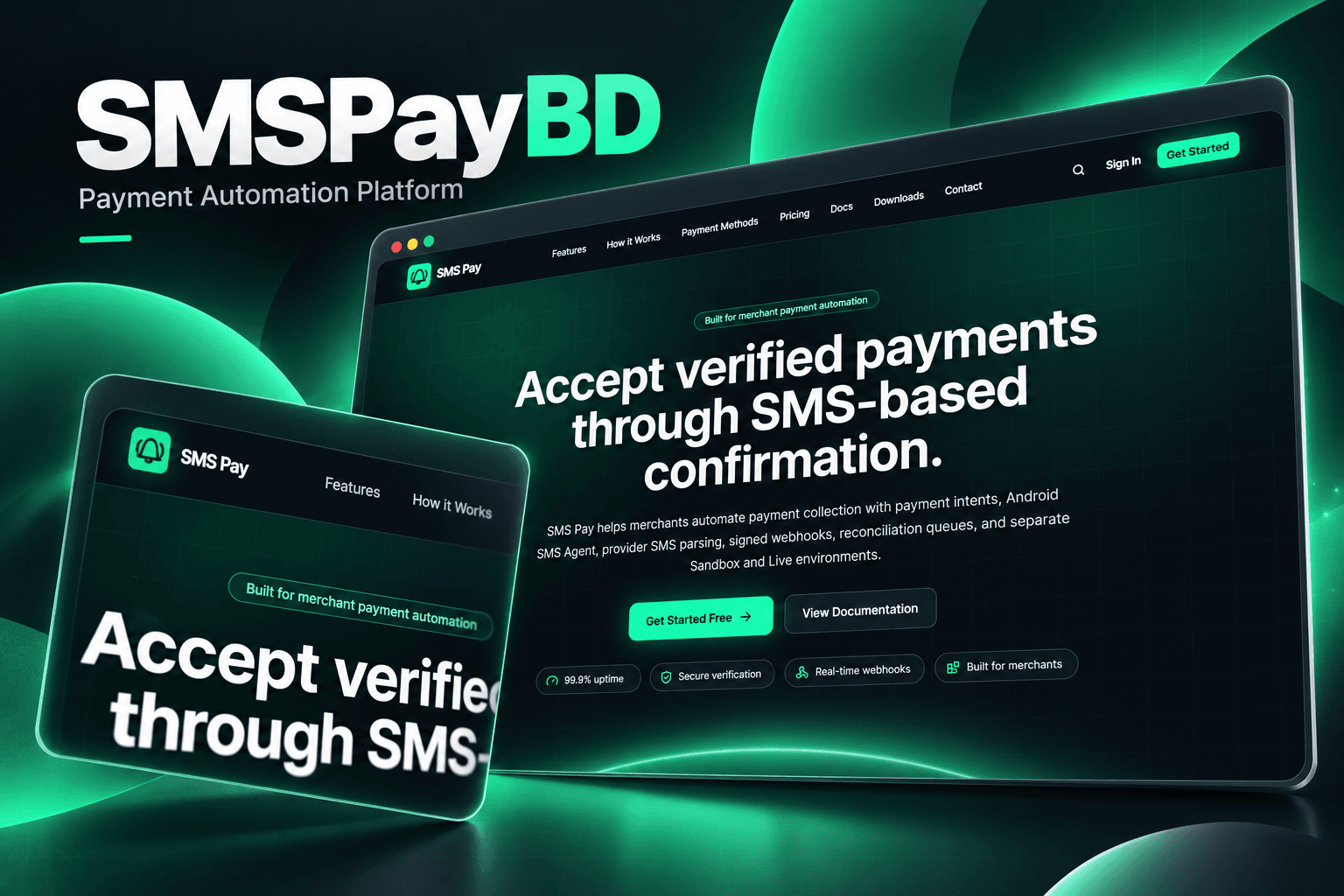
Full Stack · Fintech
SMSPayBD
Multi-tenant SMS Payment Reconciliation Platform
Next.js · NestJS · TypeScript · PostgreSQL
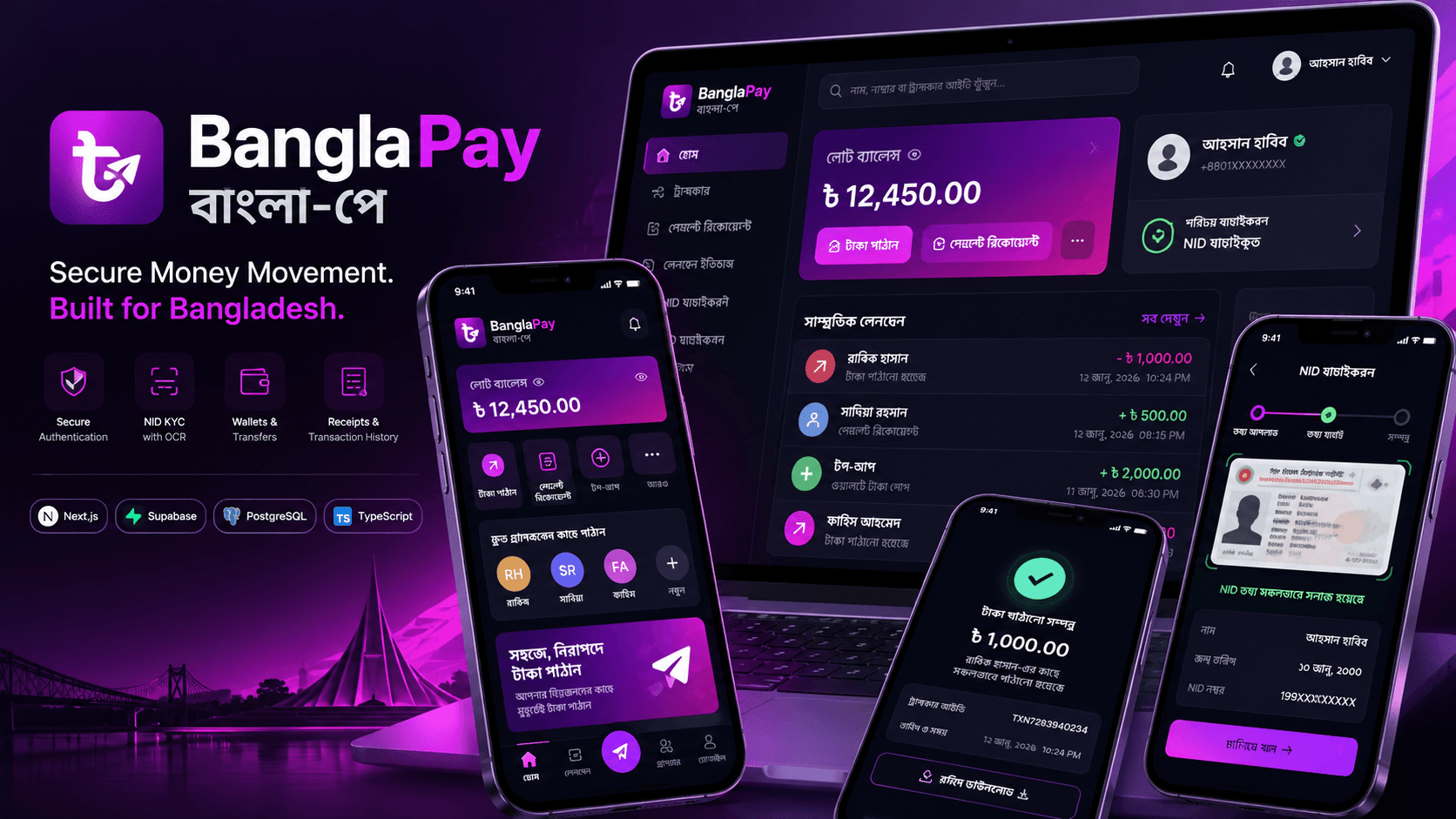
Full Stack · Fintech
BanglaPay
A secure MFS simulation built with an auditable double-entry ledger
Next.js 16 · React 19 · TypeScript · Tailwind CSS v4
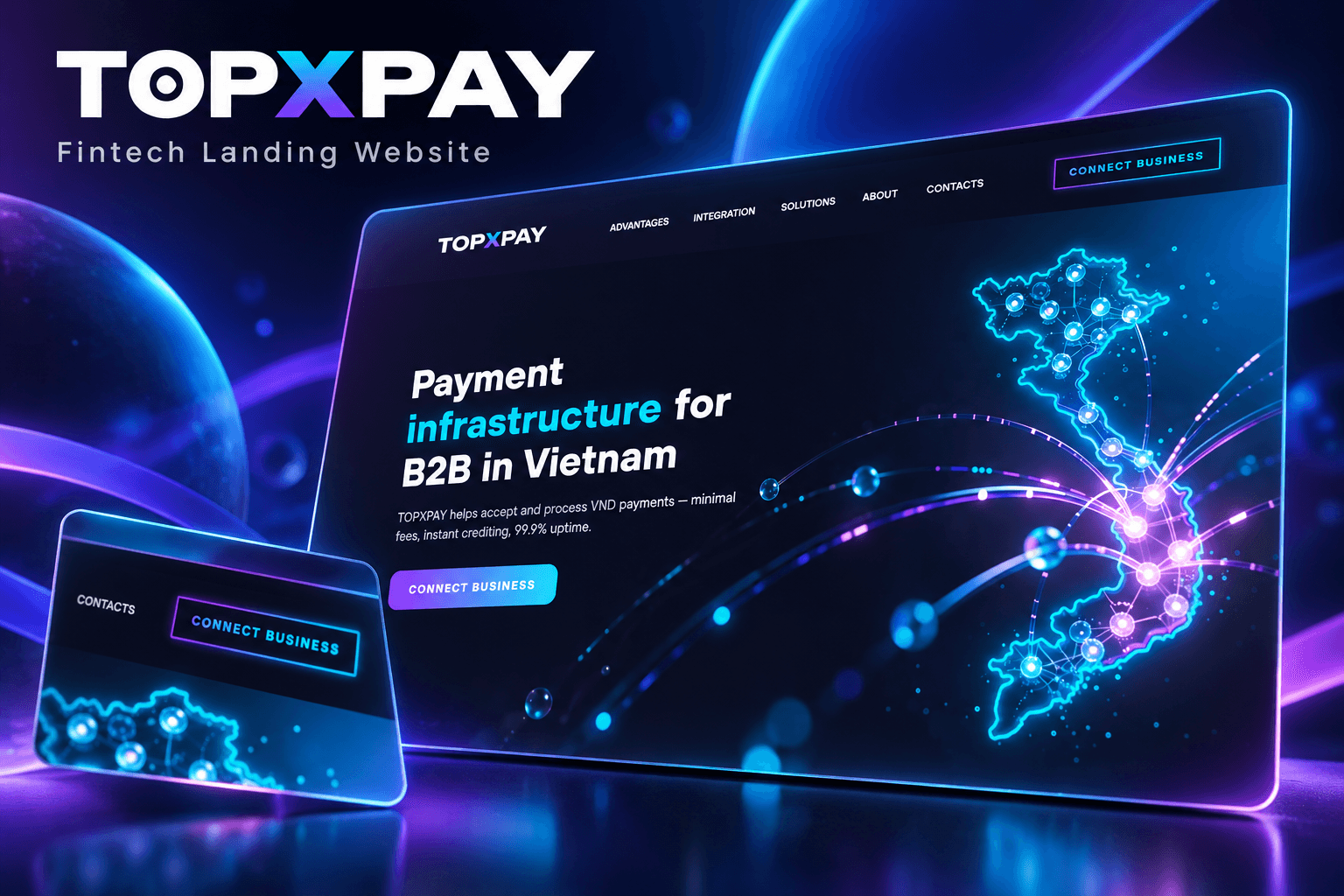
Business Platform · Fintech
TopXPay
Fintech Marketing Website with Lead Capture
Next.js · React · TypeScript · Framer Motion
 Newsletter
Stay in the Loop
Occasional emails about new projects, blog posts, and what I'm building - no spam.